Planning a Trip to Rome
Rome is layered, hot in summer, and unforgiving of a badly ordered day. Here is how many nights to give it, which neighborhood to sleep in, and what has to be reserved long before you land.
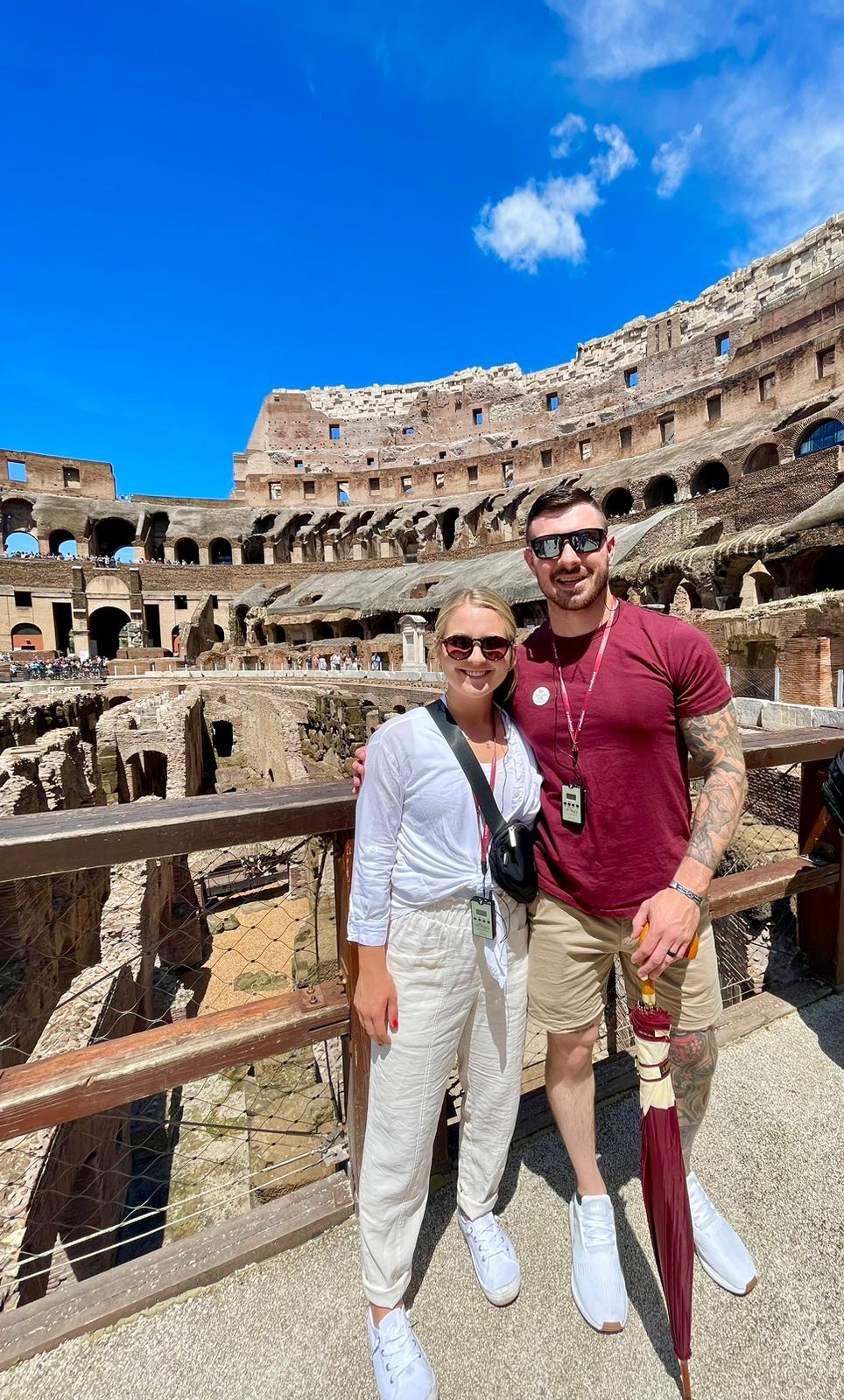
Almost every first-time Rome itinerary I am sent has the same flaw: the Vatican and the Colosseum on the same day, both in the afternoon, in July. Rome is walkable and compact, but its great sites sit at opposite ends of the centre and each one deserves a morning when the light is kind and the crowds have not yet arrived.
I plan Rome in mornings and evenings, with the middle of the day given back to you — a long lunch, a shuttered church, a rest at the hotel. That rhythm is not laziness. It is how Romans survive their own city, and it is the difference between a trip you enjoy and a trip you endure.
Where to stay in Rome.
Centro Storico — Pantheon, Piazza Navona
First visits, short stays
The heart of old Rome and the best base for a first trip. You walk out of the door into the Pantheon square, and nearly everything except the Vatican is on foot. Streets are narrow and evenings are busy — I ask for a courtyard-facing room.
Monti
Repeat visitors, good eating
A short walk from the Colosseum and the Forum, with the atmosphere of a real neighborhood: wine bars, vintage shops, locals at dinner. My usual recommendation for travelers who have seen the headline sights already.
Trastevere
Couples, girls trips, dinner
Across the river, ivy and cobbles, and the best casual dinners in the city. Wonderfully lively, which also means noisy on a Friday night. Slightly longer walks to the major sites — worth it if evenings matter more than mornings.
Prati & Borgo
Vatican mornings, quieter nights
Calm, residential, and minutes from Saint Peter's. Ideal if the Vatican is the centre of your trip or you want the hush of a real neighborhood at night, with a tram or a fifteen-minute walk into the historic core.
What to book ahead in Rome.
The Vatican Museums and the Sistine Chapel
This is the reservation that matters most. An early-entry or after-hours visit with a licensed guide changes the experience entirely — the Sistine Chapel with room to look up is a different building. Saint Peter's has its own queue and its own dress code, and I build the morning so you are not doing both at their worst hour.
The Colosseum, Forum and Palatine
Timed entry, and the arena floor or underground levels need booking as soon as they release. A guide is genuinely worth it here: the Forum is unreadable without one, and readable it is extraordinary. Early morning in summer, late afternoon in spring and autumn.
Borghese Gallery
Entry is by strict two-hour slot and a limited number of visitors, which is exactly why it is the most civilized museum in Rome. The Bernini sculptures alone justify the trip. I book this the moment your dates are fixed.
Dinner, and the Roman clock
Rome eats late — a 7pm table marks you as a visitor and often means the second-best room. I reserve around 8.30 or 9, tell you which trattorias are worth the walk, and keep one evening free for the one you discover yourselves.
Day trips and onward travel
Tivoli's villas and gardens make a lovely half-day with a driver; Orvieto and the Castelli Romani wine towns are easy escapes. Florence is ninety minutes by fast train, Naples and the Amalfi Coast a little over an hour — Rome is the natural first stop of a longer Italian journey.
Arriving in Rome.
Fiumicino, Ciampino and the transfer
Nearly every flight from the States lands at Fiumicino (FCO); Ciampino handles budget European carriers. The Leonardo Express runs from Fiumicino to Termini in about half an hour, which is efficient but leaves you at Rome's busiest station with your luggage. For a first arrival I book a private car to the hotel door — Roman traffic and cobbled lanes are not the place to learn.
Arriving by train from Florence or Venice
The high-speed trains into Roma Termini make Rome easy to pair with Florence, Naples or Venice. Book assigned seats in first class on the Frecciarossa or Italo, validate nothing, and let your hotel send a driver for the last ten minutes — Termini is a long walk to a taxi rank with bags.
Your first afternoon
Rooms in Rome rarely open before three. I use the first afternoon for the neighborhood rather than the monuments: a walk to the Pantheon, an aperitivo in Piazza Navona or Campo de' Fiori, dinner near the hotel, and the Colosseum booked for the following morning when you can actually stand in the sun.
Getting around the centro storico
The historic center is walkable and mostly closed to traffic, and the two Metro lines only skim it. Wear shoes that survive sampietrini cobbles, use taxis from official ranks or your hotel rather than the street, and expect to walk more here than in any other Italian city.
The Rome must-sees, sequenced properly.
The Colosseum, Roman Forum and Palatine Hill
One ticket covers all three, and the mistake is doing them in the afternoon heat with no shade and no guide. Early entry, a licensed guide for the Forum where the stones need explaining, and the Palatine last for the view down over it all.
The Vatican Museums, Sistine Chapel and St Peter's
Timed entry is mandatory and the early slot is worth losing sleep for. I plan the museums, the Sistine Chapel and then St Peter's Basilica as one long morning, with the dome climb only for those who mean it. Shoulders and knees covered, or you are turned away at the door.
The Pantheon, Trevi Fountain and Piazza Navona
These sit within a few minutes of each other and are transformed by the hour. The Pantheon now requires a ticket and is best at opening; Trevi belongs to early morning or late night; Piazza Navona is for an evening drink rather than a daytime photograph.
Borghese Gallery and Trastevere
The Galleria Borghese admits visitors in two-hour windows and must be reserved well ahead — Bernini's sculptures are the best hour in Rome. Then cross the river to Trastevere for the evening: ivy, small squares, and where I send couples for dinner.
Beyond the center
The Appian Way and the catacombs, Ostia Antica for ruins without crowds, Tivoli's villas and fountains for a garden day, or Orvieto in Umbria by train. On a three-night trip I keep Rome to Rome; from four nights, one of these earns its day.
Roman culture, etiquette and daily rhythm.
Coffee the Roman way
Espresso standing at the bar, paid at the counter, drunk in two minutes — sitting costs more and takes longer. Cappuccino belongs to the morning; ordering one after lunch marks you instantly. No one hurries you, but no one lingers over coffee either.
When Romans eat
Lunch from one, dinner from eight-thirty, and a restaurant full at seven is a restaurant full of tourists. Coperto is a small per-person cover charge, not a scam; service is usually included and rounding up is plenty. The four Roman pastas — cacio e pepe, carbonara, amatriciana, gricia — are the local cooking, and the good places do little else.
Churches, dress and quiet
Rome's churches are working churches and free to enter, and they hold Caravaggios that people queue for elsewhere. Cover shoulders and knees, keep your voice down, and carry a light scarf in summer. Mass times close some chapels — I check the schedule when I build your days.
August, Sundays and closures
Ferragosto in mid-August empties the city of Romans and closes family trattorias for weeks. Many museums shut on Monday, and the Vatican Museums close on Sunday except the last of the month, when they are free and impossible. Your week gets built around those facts rather than into them.
Heat, water and pickpockets
July and August are genuinely hot; I plan ruins for mornings and interiors for afternoons. The nasoni drinking fountains run cold and safe all over the city, so carry a bottle. Watch bags on the 64 bus, at Termini and around Trevi — nuisance theft, not danger.
How many days do you need in Rome?
Three nights. The minimum that does not feel like a raid: one Vatican morning, one ancient Rome morning, one gallery, and evenings walking. No day trips.
Four nights. My usual recommendation. Room for the Borghese, a food walk or cooking class, Trastevere at night, and an afternoon that belongs to nobody but you.
Five or more nights. Rome with a day trip to Tivoli or Orvieto, the neighborhoods beyond the centre, and the pleasure of returning to a favorite café.
Rome inside a longer trip. Three nights in Rome, three in Florence or Tuscany, three on the Amalfi Coast is the ten-night shape that works for most first visits to Italy.
Rome anchors most of my Italian journeys — see custom Italy travel planning for the wider country and planning a trip to Florence for the natural next stop. If the trip marks an occasion, start with European honeymoons or girls trips to Europe.
Let's plan your Rome.
Tell me your dates and how you like to travel. I will tell you how many nights Rome deserves and exactly what to reserve first.
Start Planning My Rome Trip