Planning a Trip to Florence
Florence is small enough to walk across in twenty minutes and rich enough to fill a week. Here is how many nights to give the city, where to stay, what to reserve, and when to trade a museum morning for the Tuscan hills.
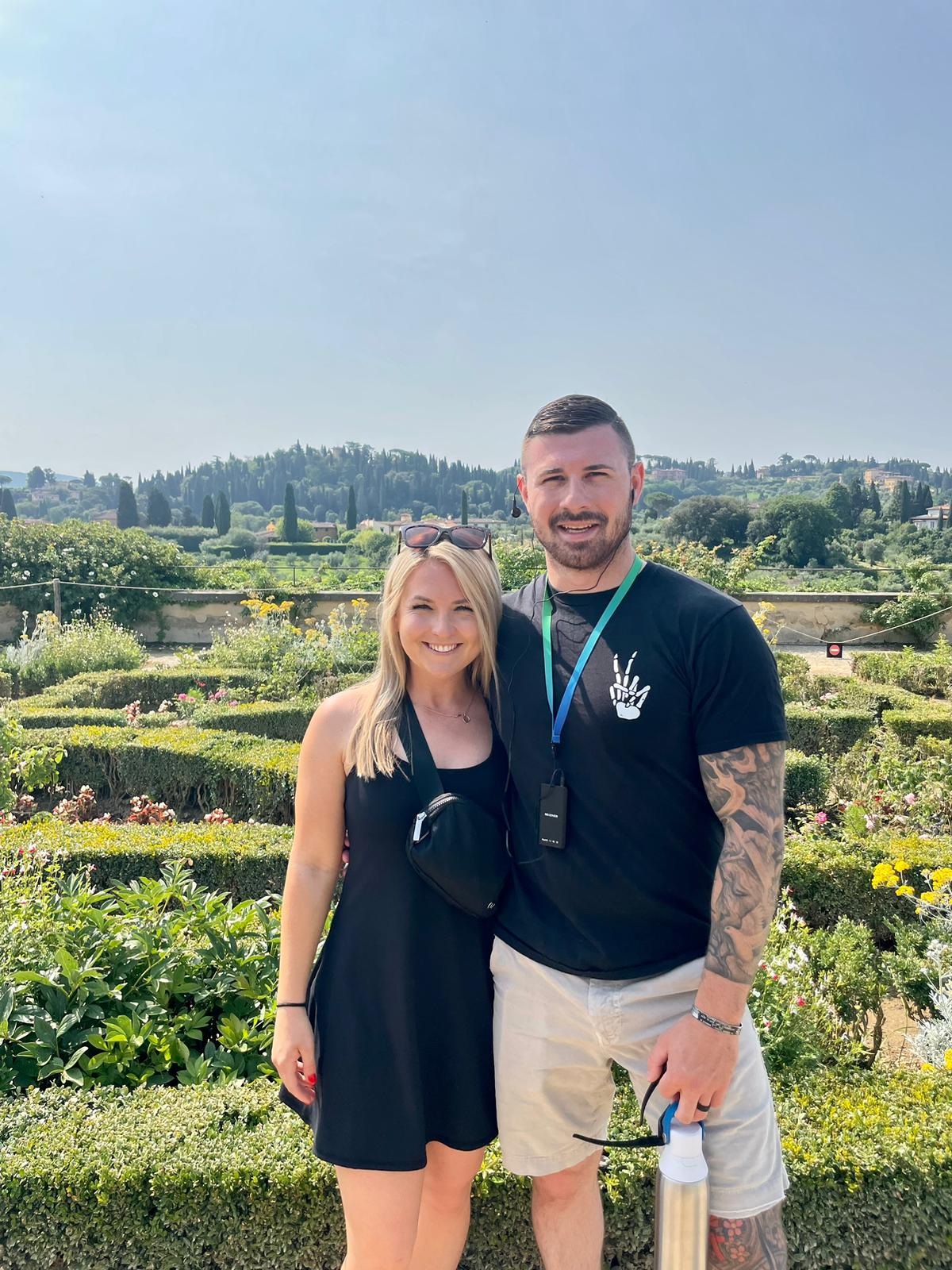
The great advantage of Florence is scale. You can stand in front of the Duomo, walk to the Uffizi, cross the Ponte Vecchio and climb to a garden terrace above the rooftops, all before lunch. The great risk is treating it as a stopover — one night, the David, and back on the train.
I plan Florence as two cities at once: the Renaissance one that needs reserved tickets and early mornings, and the working Tuscan one of leather workshops, market lunches and Oltrarno wine bars. The second is where people fall in love with it, and it is always the part that gets cut when the days are too few.
Where to stay in Florence.
Duomo & Centro Storico
First visits, short stays
Everything on foot, the cathedral at the end of your street, and the sound of the city early in the morning. Central and convenient; some streets carry the crowds all day, so a room off the main routes is worth asking for.
Santa Maria Novella & San Lorenzo
Rail arrivals, market mornings
Walking distance from the station, which matters if you are arriving by fast train from Rome or Venice, and beside the Central Market — my favorite place in Florence for a stand-up lunch. Practical rather than romantic.
Oltrarno & San Frediano
Repeat visitors, couples
Across the river, where the artisans still work: gilders, bookbinders, leather and shoemakers. Quieter nights, better casual dinners, and the Pitti Palace and Boboli Gardens at the door. My usual recommendation for a second trip.
The hills — Fiesole & San Domenico
Honeymoons, longer stays, a car
Villas, cypress views and a pool, fifteen to twenty minutes above the noise. Lovely in summer heat and for travelers who want Tuscany and the city both, but you will depend on taxis or a driver in the evenings.
What to book ahead in Florence.
The Uffizi and the Accademia
Both need timed entry, and both are transformed by going at opening. The Accademia is a short visit — the David and the unfinished Prisoners — so I pair it with something nearby rather than giving it a whole morning. The Uffizi deserves a guide and two unhurried hours, not a forced march to the Botticellis.
The Duomo complex
The cathedral, Brunelleschi's dome, the Baptistery and the museum are one ticket with separate slots, and the dome climb books out first. It is 463 steps with no lift and narrow stretches near the top — I will tell you honestly whether to climb the dome or Giotto's tower instead.
Artisans and makers
This is what I would keep if you only had one afternoon: a leather workshop, a gold-leaf studio, a perfumer, or a shoemaker taking your measurements. Private visits, arranged in advance, in Italian with a translator when needed. Nobody comes home talking about the queue.
Eating, from market to table
A market walk with a cook, a pasta lesson in a family kitchen, a trattoria in the Oltrarno that has not changed its menu in forty years. Florence eats earlier than Rome, and the best small rooms take reservations weeks out.
Tuscany from Florence
Chianti with a private driver and two winery visits is the day trip I recommend most — Siena and San Gimignano together make a long but rewarding one. If Tuscany is the real draw, I would rather move you to a villa or a country estate for three nights than shuttle you out and back each day.
Arriving in Florence.
Flying in, or the train from Rome
Florence's own airport (FLR) is small and handy, with a tram to the center, but most American travelers connect through Rome or Milan — or simply take the high-speed train, which reaches Santa Maria Novella from Rome in around an hour and a half and from Milan in under two. The train is nearly always the better arrival: no transfer, no traffic, and you step out ten minutes from the Duomo.
Cars, the ZTL, and why you should not drive in
The historic center is a restricted traffic zone — the ZTL — with cameras that issue fines months later to rental cars. If Tuscany is part of the trip, I collect your car on the day you leave Florence rather than the day you arrive, and use private drivers for Chianti and Siena while you are in the city.
Your first evening
Florence is small enough that the first afternoon can be genuinely lovely: a walk over the Ponte Vecchio, an aperitivo in Santo Spirito, and dinner within a few streets of the hotel. I hold the Uffizi and the Accademia for a properly rested morning.
Getting around
You will walk everywhere, and that is the pleasure of Florence — the Duomo to the Pitti Palace is about twenty minutes. Cobbles and no shade in high summer mean real shoes and an early start; taxis wait at ranks rather than being hailed, and your hotel will call one for a late dinner across the river.
The Florence must-sees, without the queues.
The Uffizi Gallery
Botticelli's Birth of Venus, Leonardo, Titian, Caravaggio — one of the great collections, and one of the worst queues in Italy without a reserved entry. Book the first slot, spend two focused hours rather than four exhausted ones, and take the terrace café for the Palazzo Vecchio view.
The Accademia and the David
The David is genuinely worth the reservation; most people are surprised by how much. Go at opening, look at the unfinished Prisoners on the way in, and you are out in an hour with the rest of the morning intact.
The Duomo, Brunelleschi's dome and the Baptistery
The cathedral complex sells a combined pass, and the dome climb is timed, steep, narrow and unforgettable — not for anyone uneasy in tight spaces, in which case Giotto's bell tower gives you the dome itself in the view. The Baptistery doors and the museum behind them are the quiet highlight.
The Oltrarno: Pitti Palace, Boboli and the artisans
Cross the river for the Pitti Palace and the Boboli Gardens, then the workshops of Santo Spirito and San Frediano — leather, gilding, paper, shoes. This is where I send clients who want to buy something made by the person who sells it, and where Florence still feels lived in.
Tuscany from Florence
Siena and San Gimignano in a day with a driver, Chianti for a vineyard lunch, Lucca and Pisa on the coastal side, the Val d'Orcia if the landscape is what you came for. From four nights in Florence, one of these days is the one people talk about afterwards.
Florentine culture, etiquette and rhythm.
How Florence eats
Lunch from one, dinner from eight, and the Tuscan table is simple on purpose: bistecca alla fiorentina for two, ribollita, pappa al pomodoro, unsalted bread, Chianti Classico. A lampredotto or panino stand at midday is a local lunch, not a compromise — and the wine window hatches, the buchette del vino, are real and open again.
Museums, closures and Mondays
The Uffizi and the Accademia close on Monday, several churches close at midday, and the whole city is busiest between Easter and October. I plan your week around those closures, and around the free-museum Sundays, which sound generous and are mostly crowded.
Churches, dress and behavior
Santa Croce, Santa Maria Novella and San Lorenzo hold as much art as many museums and charge a small entry. Shoulders and knees covered, no photographs where signs forbid them, and voices low — these are places of worship first.
Artisans, markets and shopping well
The San Lorenzo street stalls sell to tourists; the Mercato Centrale upstairs feeds locals and visitors alike; the Sant'Ambrogio market is where Florentines actually shop. For leather and paper I send clients to specific workshops rather than the market — I would rather you own one good thing than three that peel.
Heat, crowds and the better hours
July and August are hot and shadeless around the Duomo, and the center thins out beautifully after eight in the evening and before nine in the morning. May, late September and October are the months I push hardest for. Piazzale Michelangelo at sunset is worth the climb, with everyone else and a bottle of wine.
How many days do you need in Florence?
Two nights. Workable as part of a longer Italian trip: the Duomo, one great museum, one artisan visit, dinner across the river. Expect to want more.
Three nights. My usual recommendation. Both major museums without fatigue, a market morning, the Oltrarno properly, and a sunset above the city.
Four to five nights. Florence plus a full day in Chianti or Siena, a cooking class, and the second-tier museums that are often the ones people love most.
Florence and Tuscany. Three city nights followed by three or four in the countryside — a villa, a pool, vineyards and hill towns — is the shape I plan most often.
Florence pairs naturally with a trip to Rome and the wider country in custom Italy travel planning. For sample day-by-day shapes see my itineraries, or start with European honeymoons if the trip celebrates something.
Let's plan your Florence.
Tell me your dates and what draws you — the art, the food, the hills. I will build the days around it and reserve what needs reserving.
Start Planning My Florence Trip