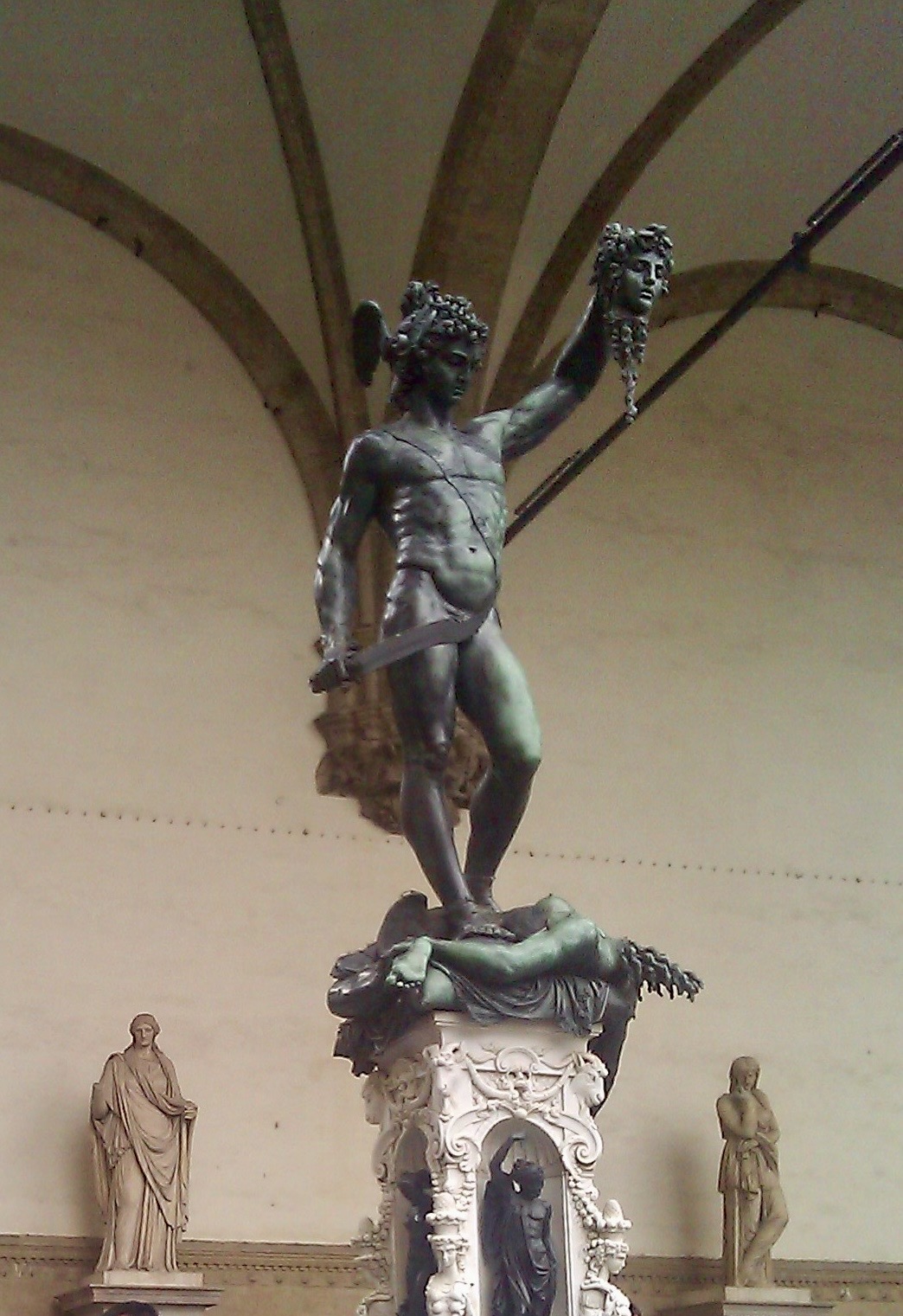
You can cross the historic center of Florence on foot in twenty-five minutes. That is the whole character of the city: everything is close, nothing needs a taxi, and the pleasure is in wandering between things rather than travelling to them. Two full days covers the city without rushing. A third belongs in the countryside.
Day one: the Renaissance, booked ahead
The Uffizi in the morning with a timed ticket, then lunch, then Piazza della Signoria and the Duomo complex in the afternoon. If you want to climb the dome — and it is worth it — that reservation is separate, tightly timed, and the stairs are narrow and hot. The Accademia and the original David take under an hour with a booked slot and most of a morning without one.
Cross the Ponte Vecchio in the evening rather than the middle of the day, and watch the light go from the Piazzale Michelangelo or the Bardini garden.
Day two: markets, workshops and the Oltrarno
The Mercato Centrale for breakfast and cheese, then the artisan quarter across the river: leather, marbled paper, gold-leaf frames, shoemakers whose grandfathers had the same workshop. This is the Florence people remember, and almost nobody books it in advance. The Pitti Palace and Boboli Gardens if you want a garden afternoon; a cooking class or a Brunello tasting if you want your lunch to last three hours.
Should you add a Tuscany day?
Yes — with one condition. A private driver-guide through Chianti, San Gimignano or the Val d'Orcia is one of the best days in Italy: vineyards, a hilltop town, a long lunch, cypress roads. A large coach tour with four stops and a rushed tasting is not. The day is only worth it if it is unhurried, which usually means a car and a guide rather than a bus and a schedule.
If you have five or more nights in the region, I would rather move you out of the city altogether for two of them — a farmhouse or wine estate in Chianti, with Florence and Siena as day trips. That is a different holiday, and for couples it is often the better one.
Where to stay in Florence
- Duomo and Piazza della Repubblica. Everything on your doorstep; busiest by day.
- Santa Croce. Quieter mornings, excellent restaurants, still a short walk in.
- Oltrarno and San Frediano. Artisans, wine bars and locals; my favorite for a second visit.
- Above the city, near Fiesole. Views, gardens and a pool — a car or a driver becomes necessary.
What to book before you fly
Uffizi and Accademia timed entry, the Duomo dome climb, any tasting or cooking class, your Tuscany driver, and dinner on a Friday or Saturday. Florence in high season is not a city where you decide at six o'clock where to eat at eight.
When to go
May, early June, September and October. The light is beautiful, the countryside is green or in harvest, and the streets are walkable. July and August are hot and crowded in a way that makes the museums unpleasant. November and February are quiet, cool and surprisingly lovely if the art is your real reason for going.
My longer guide to planning a trip to Florence — arrival, neighborhoods, what to book, how many days — is linked below.