Three days in Rome works if you accept from the beginning that you are choosing, not covering. Ancient Rome, the Vatican and the living city each deserve a day, and the mistake almost everyone makes is trying to fit two of those into one morning in August.
Day one: ancient Rome, early
The Colosseum, the Roman Forum and the Palatine on one ticket, starting at opening. The Forum has almost no shade and the stones hold heat; by eleven in July it is genuinely punishing. A guide matters more here than anywhere else in the city — without one the Forum is a field of beautiful rubble, and with one it is a place you understand.
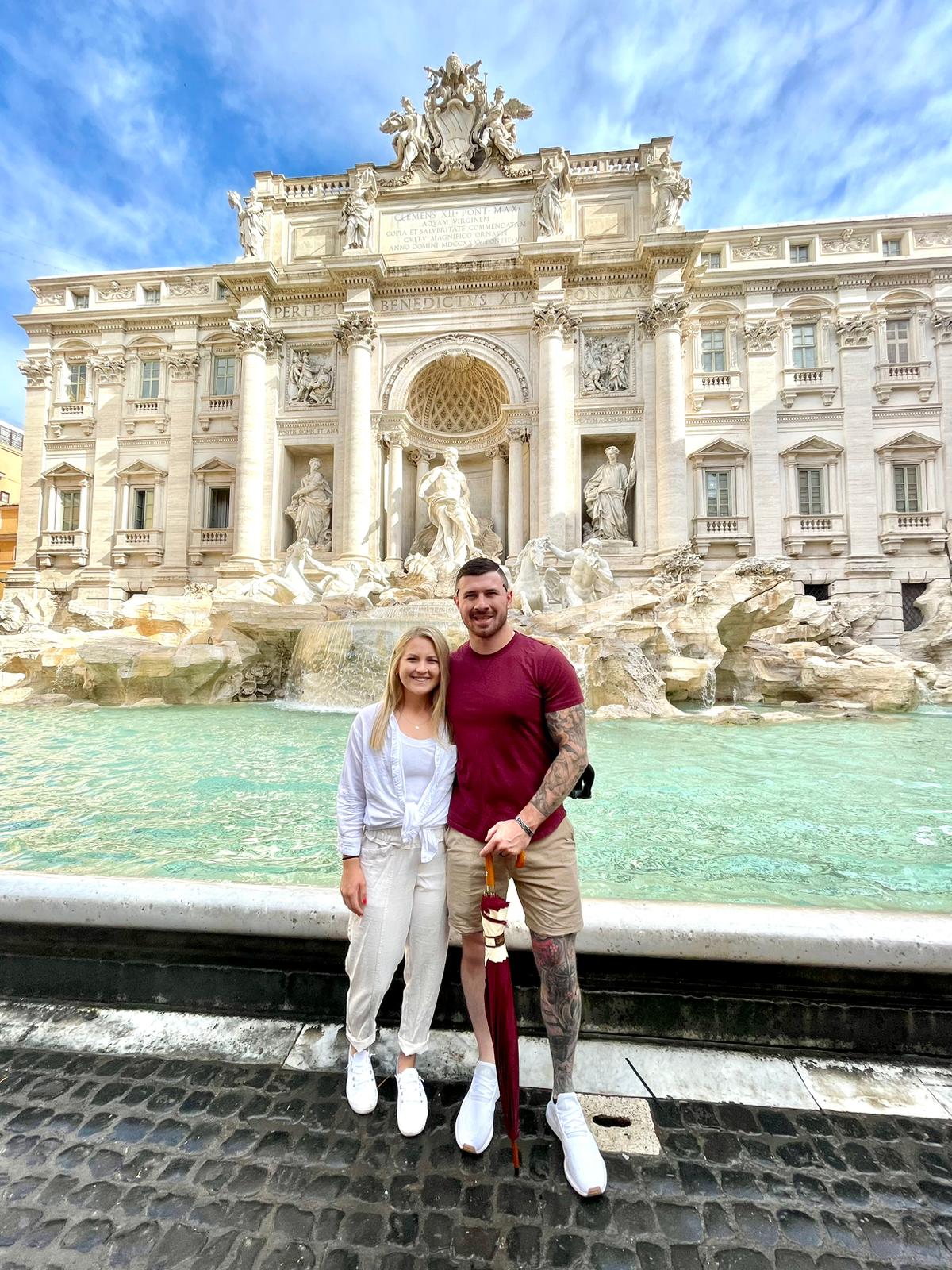
Afternoon: the Pantheon, Piazza Navona, the Trevi Fountain, gelato, and an early aperitivo. That walk is short on a map and long in reality, and it is the single best introduction to how Rome actually feels.
Day two: the Vatican, then the other side of the river
St Peter's Basilica and the Vatican Museums need a timed entry booked well ahead, and the Sistine Chapel is calmest either at the first entry of the day or late in the afternoon. Dress code is enforced: shoulders and knees covered, for everyone, all year.
Then cross into Trastevere for the evening — narrow lanes, ivy, trattorias with tables in the street. If you only have one long dinner in Rome, have it here.
Day three: the city you actually came for
No monuments before ten. The Borghese Gallery if you like art and can book the two-hour slot; the Campo de' Fiori market and the Jewish Quarter for food; the Appian Way or a cooking class if you want something that is not a queue. Leave the last afternoon unplanned. Rome is better when you are not moving through it on a schedule.
What to book before you leave home
- Colosseum, Forum and Palatine timed entry, ideally with a guide.
- Vatican Museums and Sistine Chapel timed entry.
- Borghese Gallery — capacity is strictly limited and it sells out weeks ahead.
- Any restaurant you have read about, plus your first night's dinner.
- Airport transfers from Fiumicino, which is forty minutes out of the city.
What I would skip
The rushed day trip to Pompeii — it is a long way and a hot day, and it belongs to a Naples or Amalfi stay. The Spanish Steps as a destination rather than something you pass. And the second museum on the same day as the Vatican; nobody enjoys it.
Where to stay in Rome
The historic center around the Pantheon and Piazza Navona if you want to walk everywhere and do not mind evening noise. Monti for a quieter, more local stay a few minutes from the Colosseum. Trastevere if dinners and atmosphere matter more than monuments. The Via Veneto and Ludovisi area for grand hotels and calm streets.
How Rome fits into a bigger Italy trip
Three nights in Rome, then the train to Florence — an hour and a half, city center to city center — and afterwards the Amalfi Coast or Tuscany. Ten days handles two of those three beautifully and all three badly. That is the honest math, and the reason I ask what a trip is celebrating before I suggest a route.
My full guide to planning a trip to Rome covers arrival, neighborhoods, must-see order and local dining hours in more detail; it is linked below.