The most useful thing I do for Italy clients is take something out of the plan. Italy is close together on a map and slower than it looks in practice: a hotel change eats half a day once you count packing, checking out, the station, the arrival and finding lunch. Three hotel changes in ten nights means a day and a half spent moving.
So before the fun part, the arithmetic.
Rome: three nights, four if you can
Three full days is the minimum that lets Rome breathe. One for ancient Rome — the Colosseum, the Forum and the Palatine with a guide, early — one for the Vatican and St Peter's, again early, and one with no major ticket at all: Trastevere, the Pantheon, the Jewish Quarter, Villa Borghese, and the shops in Monti.
A fourth night buys you either a day trip (Ostia Antica, Orvieto, Tivoli) or the far better option of nothing scheduled. Two nights in Rome is possible and always feels like a layover.
Florence: two nights in the city, plus Tuscany separately
Florence itself is small. Two full days with reserved Uffizi and Accademia entries covers the art, the Duomo, the Oltrarno workshops and a proper evening. It is one of the few cities where I genuinely think a third day is optional.
What people actually mean by "Tuscany", though, is the countryside, and that is a separate stay: three nights minimum in Chianti or the Val d'Orcia, with a car or a driver, for vineyards, hill towns and the long lunches that justify the whole trip. Do not try to do Tuscany as day trips out of Florence — you will spend your days in traffic and see the region through a windscreen.
The Amalfi Coast: four nights, and not fewer
The coast is the region travelers most often under-budget. Getting there is half a day from Rome or Florence: train to Naples or Salerno, then a driver or ferry along a famously slow road. Arriving and leaving therefore consumes two of your days at the edges.
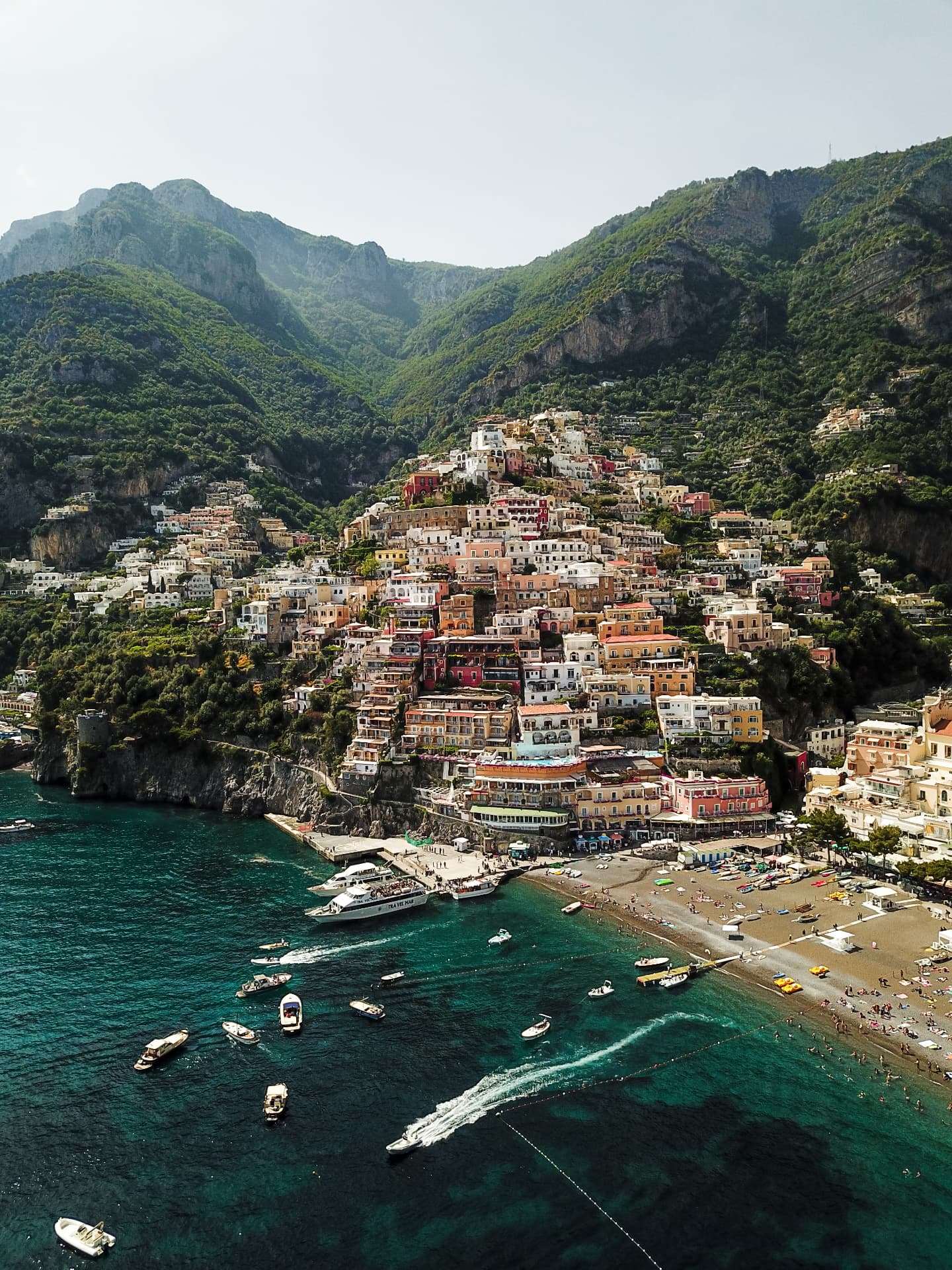
Four nights gives you one full day on a private boat to Capri or the coves, one day for Ravello and the gardens or a cooking afternoon in the hills, and one day that is nothing but the hotel, the sea and a long lunch. Three nights works only if you accept that one of them is really just a night's sleep. And choose the town deliberately: Positano is beautiful and vertical, Ravello is high and serene, Sorrento is the practical base with the easiest transport and the flattest walking.
So what fits?
- Seven nights. Two regions. Rome and the Amalfi Coast, or Rome, Florence and nothing else. Not three.
- Ten nights. Rome (3), Florence (2), Tuscany countryside (4), home from Florence or Rome. This is my single most recommended first Italy trip.
- Ten nights, coast version. Rome (4), Amalfi Coast (5), one night back near the airport. Slower, more romantic, ideal for honeymoons.
- Twelve to fourteen nights. All three: Rome (3), Florence and Tuscany (5), Amalfi Coast (4–5). Fourteen makes it comfortable; twelve makes it brisk but honest.
If you have nine or ten days and all three regions are non-negotiable, something has to give, and the answer is almost always Florence. Two nights there is a real visit; two nights on the Amalfi Coast is a photograph.
Sequencing and the trains
Travel in one direction. Rome to Florence is an hour and a half by high-speed train; Florence to Naples is about three. The coast is best kept for the end, because it is the one place you want to be when you stop wanting to sightsee.
Two practical rules I never break: no long-haul flight home the same morning as a transfer off the Amalfi Coast, and a buffer night near Rome or Naples if your flight is early. The coast road does not care about your schedule.
When to go
May, June, late September and October. The sea is swimmable from June, the hill towns are pleasant, and the restaurants are open. August is hot and crowded and many family-run places close for the holidays. In April and early November the cities and wine country are lovely, but coastal boat days become weather-dependent.
The trips people remember are not the ones that covered the most ground. They are the ones with an unscheduled afternoon in them — which is exactly what these night counts are designed to protect.